From One Carnival to Another
This chapter examines the strategies of social mobility and the pursuit of “dignity” among Black populations in Rio de Janeiro in comparison with those in São Paulo. In São Paulo, these strategies developed through the Black milieu and the growth of magazines, clubs, and associations inspired by the American uplift model, which sought to demonstrate the respectability—and even the moral and physical superiority—of the Black race.
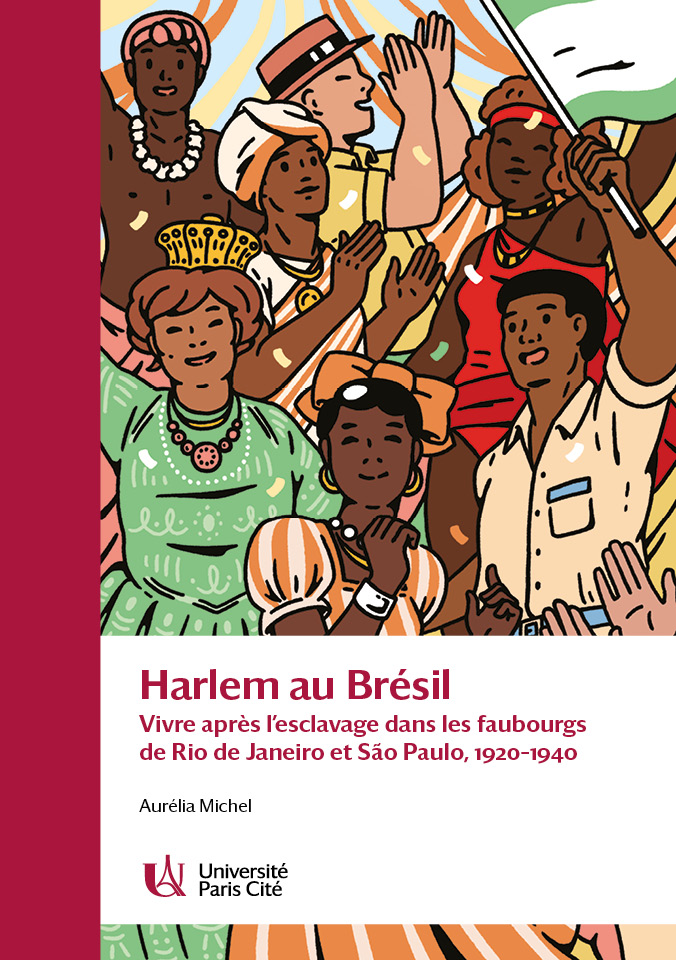
In Rio de Janeiro, however, this path was pursued through carnival. Samba schools did not merely imitate dominant aesthetic codes in order to produce an improved version of them. Although Paulo da Portela, one of the principal architects of samba schools within carnival, understood the need to “play the game” of the upper classes through high-quality costumes and precise choreography, the samba school parades held from 1932 onward at Praça Onze celebrated other references rooted in the world of the plantation. With groups of baianas, rigorously choreographed wings (alas), and figures embodying authority, the parades staged a highly structured society that had forged its own codes through the experience of slavery and succeeded in imposing them on the public stage.
The strength of Rio’s samba schools, when compared with Black organizations in São Paulo, thus appears remarkable. They succeeded in reshaping the boundaries of dignity within the mechanisms through which society represented and understood itself.